Cartagena is a city that moves to its own heartbeat. Beyond the historic walls and ocean views, its true identity lives in rhythm — in drums echoing through Getsemaní, in songs carried from Palenque, and in the everyday soundtrack of the streets. Here, music is not a performance — it is heritage, pride, and memory.
A Living Soundtrack: What Travelers Experience
Those who truly connect with Cartagena leave with more than photographs — they leave with rhythm etched into memory. To travel here is to witness culture not preserved in museums, but breathing through people.
Visitors can experience this through:
- Live champeta performances and dance sessions
- Palenque-led drum workshops
- Cultural walking tours through Getsemaní
- Traditional music showcases in plazas and local bars
- Storytelling paired with rhythm and movement
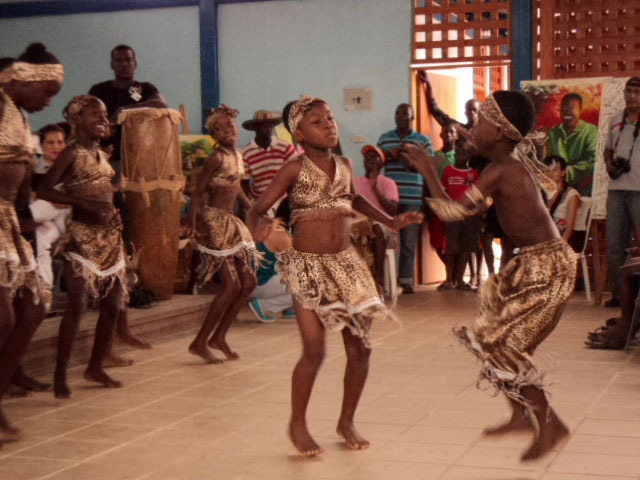
A Fusion of Histories
Cartagena’s sound was born from the merging of African, Indigenous, and Spanish traditions. Percussion, storytelling, and dance from Afro-descendant communities blend with Caribbean melody and ritual — creating a rhythm that is uniquely Cartagena.
The Rhythms That Define the City
- Champeta: Born in Afro-Caribbean neighborhoods, once marginalized but now a symbol of joy and cultural power.
- Bullerengue: Led traditionally by women, rooted in spiritual connection and ancestral memory.
- Cumbia & Porro: Classic coastal rhythms that bring elegance, celebration, and ceremony to local culture.
In Cartagena, music is community. It preserves history, keeps language alive, and turns public spaces into shared cultural stages. From spontaneous street performances to curated cultural tours, rhythm is how the city expresses who it is.

A Culture You Don’t Just Hear — You Feel
Visitors don’t just listen; they participate. Whether dancing champeta at sunset or watching drum circles gather outdoors, travelers become part of the city’s living soundtrack.
Cartagena is not only seen — it is felt. And that feeling begins with rhythm.